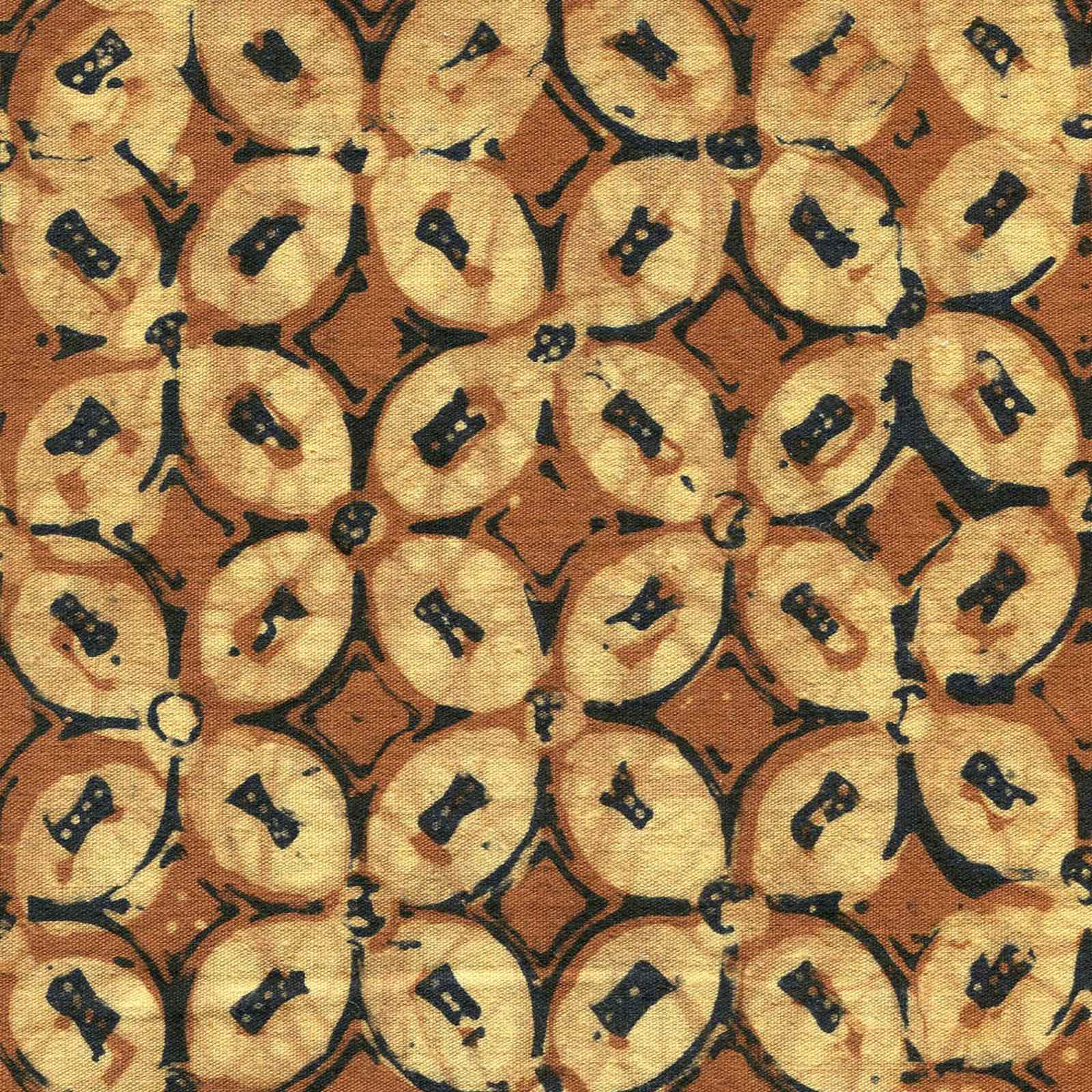
It is easy to assume batik is African. Almost everywhere it is worn on this continent, it looks completely at home. But the technique itself — wax drawn onto cloth to resist dye — has its most documented and celebrated roots in Java, in present-day Indonesia, refined there into an art form recognised by UNESCO.
Its arrival in West Africa runs through a specific, well-documented history: Dutch traders encountered Javanese batik in the nineteenth century and tried to machine-reproduce it for sale back in Indonesia. It didn’t take there — but West African markets embraced the imitation prints, and an entirely new textile culture grew from that reception, known today as wax print or Ankara.
Almost all wax print in circulation now is machine-printed, not hand-waxed — a distinction worth knowing, since it separates industrial pattern-making from the slower, hand-applied batik still practised by artisans working closer to the technique’s Javanese origins.
Both are worth respecting on their own terms. One is a mass textile culture uniquely West Africa’s own. The other is a craft that deserves its origin story told straight.