The Archive
Northern Nigeria
Where Colour Becomes Culture
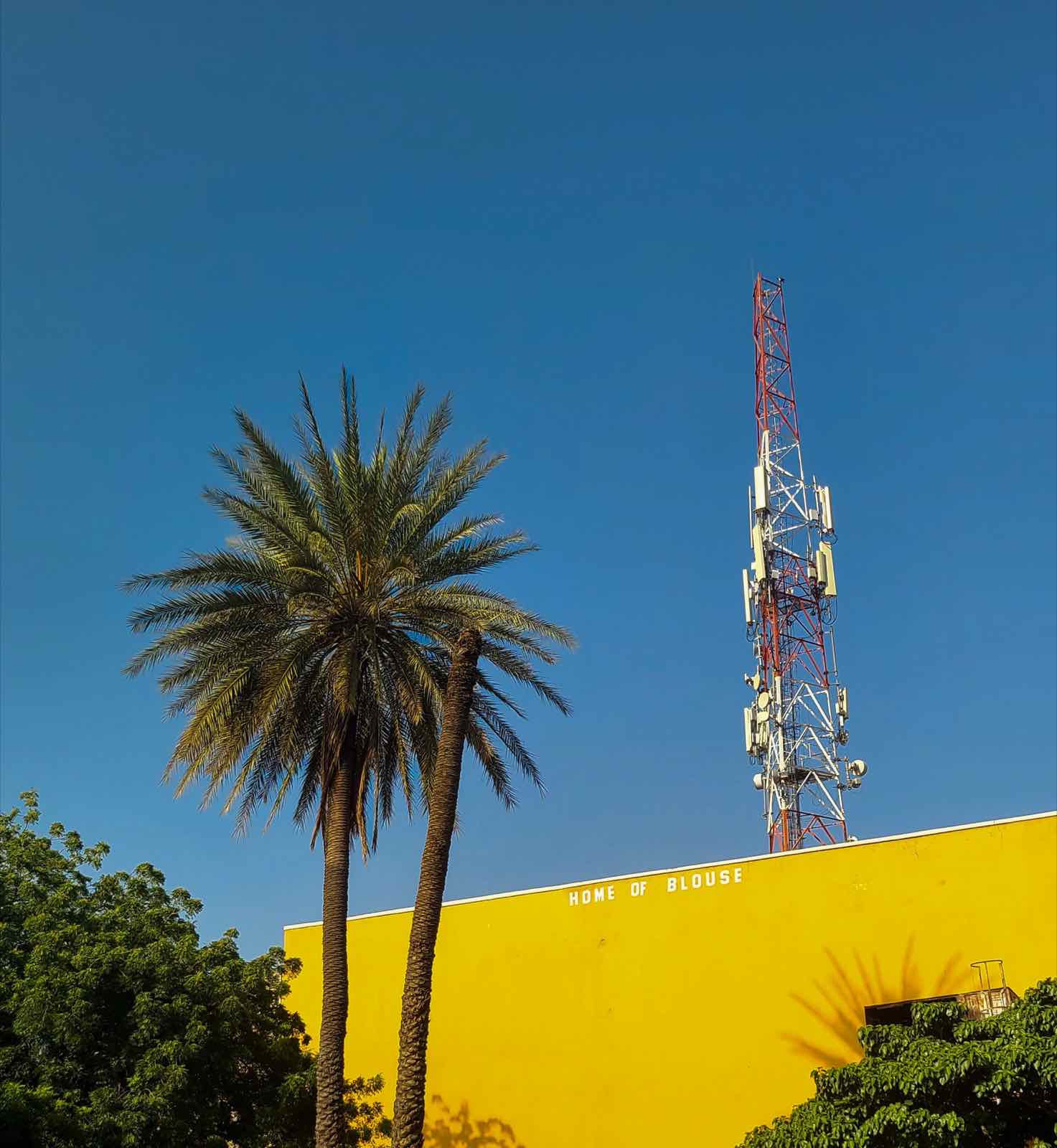
Long before cloth reached a tailor's hands in Northern Nigeria, it had often already travelled — by caravan, by market, by trade route stretching north across the Sahara.
This is a story about colour, trade and craft in that region — told carefully, and not as the whole story of African textiles.
A Historic Centre of Trade
Kano, in Northern Nigeria, is one of West Africa's oldest and most storied cities — for centuries a key terminus of trans-Saharan trade routes connecting the Sahel and forest-zone West Africa to North Africa and, through it, to wider Mediterranean and Middle Eastern trade.
Textiles, dyes, leather goods and other crafted materials moved along these routes in both directions, and Kano's markets and craft guilds grew, in part, around that exchange — making the city as much a centre of textile trade as of textile making.
Dyeing Traditions
Northern Nigeria, and Kano especially, is home to a long tradition of indigo dyeing carried out in communal dye pits — vats sunk into the ground where cloth is repeatedly dipped and oxidised to build up a deep blue, sometimes near-black, colour. Some of Kano's dye pits are historic sites still in use today, tended by dyers whose craft has passed through generations of the same families and guilds.
The dyeing itself is slow and physical: cloth submerged, lifted to oxidise in the air, and submerged again, as many times as the desired depth of colour requires — followed, often, by beating the dyed cloth to a soft sheen.
Cloth, Identity and Ceremony
In Hausa and other Northern Nigerian communities, dyed and finished cloth has long been worked into gowns of considerable scale and detail, frequently embroidered by specialist hand-embroiderers, and worn to signal occasion, status and identity — from everyday dress to the ceremonial robes of title-holders.
Tailoring and embroidery guilds historically organised around this craft, passing pattern knowledge and technique from master to apprentice.
A Northern Story, Not The Only Story
It is worth being precise here. Indigo dyeing is practised by many peoples across West Africa, not only in the north of Nigeria — Yoruba adire, made most famously around Abeokuta in the southwest, is a related but historically and culturally distinct tradition, with its own techniques, meanings and lineage.
What is told on this page belongs specifically to Northern Nigeria and Kano. Where Rini draws on Yoruba, Akan or other West African textile traditions elsewhere on this site, we name them separately and specifically, rather than folding every tradition into one general idea of 'African textiles.'
Kano's indigo is a colour with a memory of trade routes, guilds and generations of hands.