The Archive
Dyeing & Colour
A Shared Inheritance
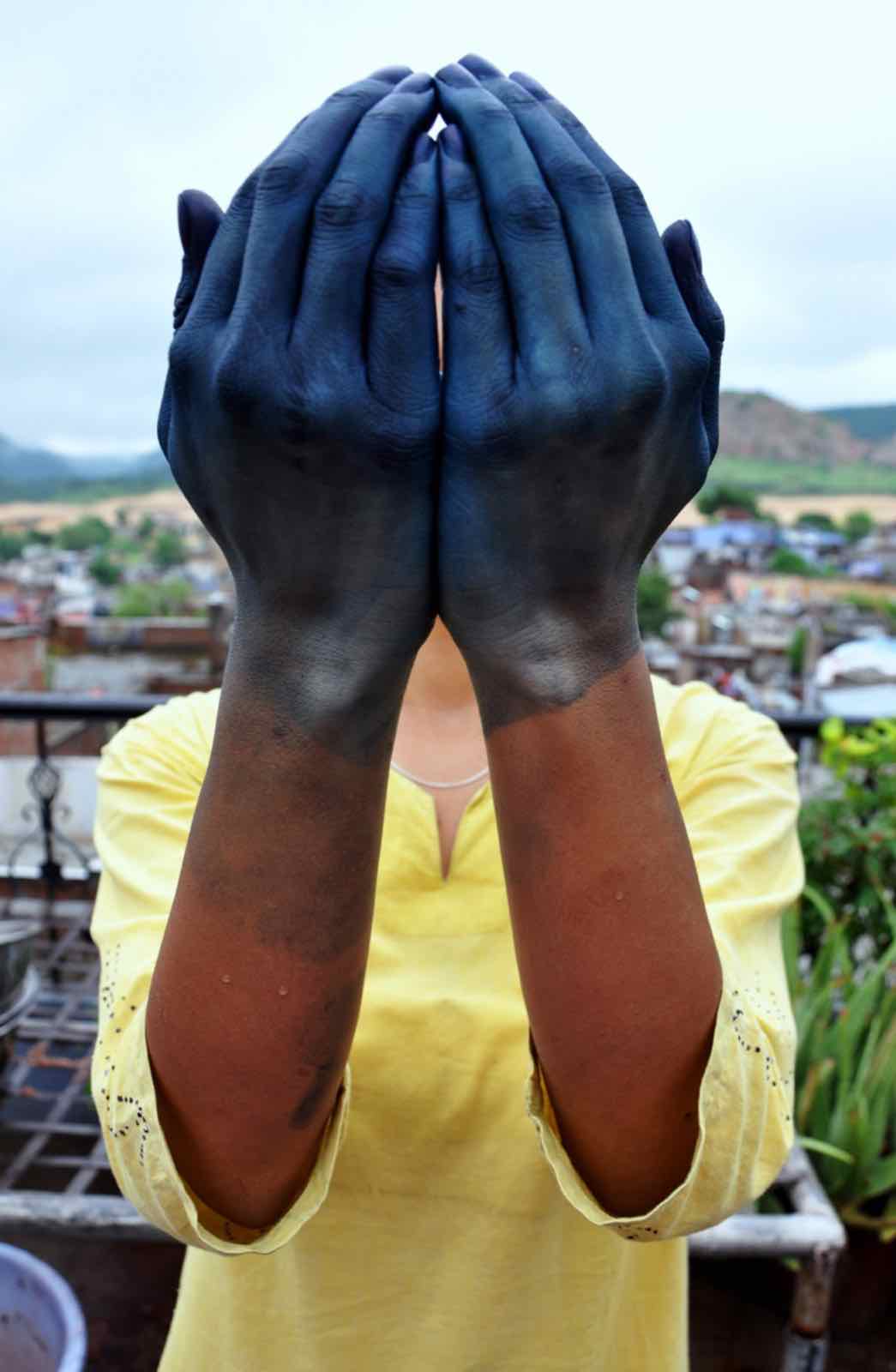
Blue runs through West African textile history like a thread of its own — carried by a dye plant native across much of the region, and by the many peoples who learned to work with it.
This page looks at colour and dye as a shared inheritance, expressed differently from tradition to tradition.
Indigo, Broadly
Indigo dye across West Africa is traditionally derived from the leaves of local indigo-bearing plants, processed and fermented in dye vats or pits to release their colour. Because these plants are native across a wide span of the region, indigo dyeing appears, independently and distinctly, among many West African peoples — including Yoruba adire dyers, Hausa dyers in Northern Nigeria, and Mande-speaking communities across the wider Sahel.
This shared plant inheritance means indigo cannot be attributed to any single group. What differs — often significantly — is technique, pattern, and the cultural meaning built around the dyed cloth.
Method Shapes Meaning
Adire dyers in and around Abeokuta use resist methods — starch, stitching, tied raffia — to draw pattern directly onto cloth before dyeing. Northern Nigerian dye pits, such as those historically associated with Kano, more often produce solid or near-solid indigo cloth, later finished by beating to a sheen, with pattern introduced separately through tailoring or embroidery rather than resist.
Neither approach is more 'authentic' than the other — they are different craft traditions that happen to share a dye source.
Beyond Indigo
Natural dyeing across the region has also drawn on other locally available materials, including various barks, roots and minerals, though indigo remains the most historically documented and widely recognised West African natural dye colour. Today, natural and synthetic dyes are both in use across these traditions, often side by side.
One dye plant, many hands — indigo is less a single tradition than a common thread running through several.